Why Processing Method Matters
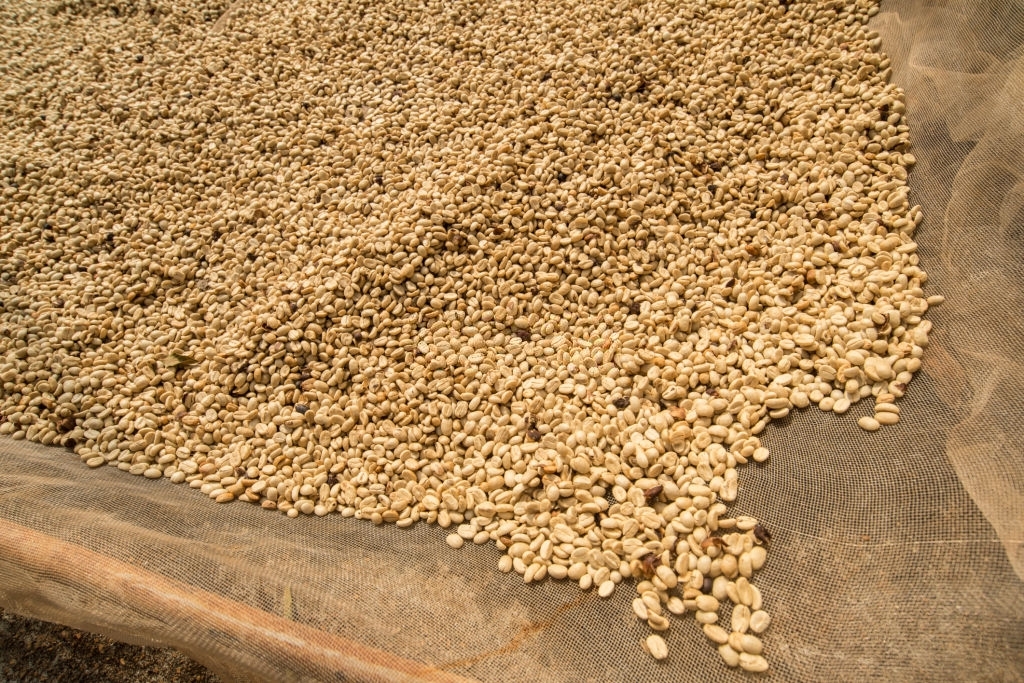
While soil, altitude, and variety lay the foundation, it is the post-harvest processing that sculpts the final cup profile. The same cherry processed differently can yield dramatically different flavors — from bright citrus wash to deep berry-wine naturals.
At Mila's Coffee, we work directly with washing stations across Ethiopia's premier growing regions to offer the full spectrum of processing methods, ensuring our import partners receive exactly the flavor profile their roasters and customers demand.

Washed (Wet) Process
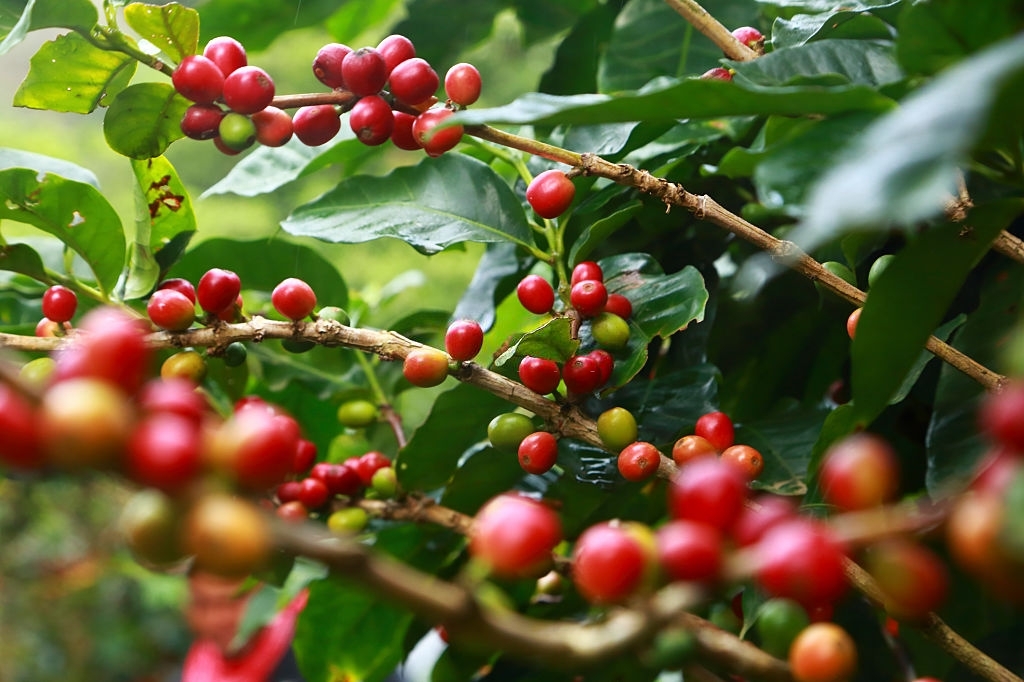
The washed process — also called the wet method — is Ethiopia's most prestigious technique. Ripe cherries are depulped within hours of harvest to remove the outer fruit. The parchment-covered beans are then submerged in fermentation tanks for 36-72 hours, where naturally occurring enzymes break down the remaining mucilage.
After thorough washing in clean channels, the beans are laid on raised African drying beds for 10-14 days under controlled conditions. This meticulous process produces coffees of exceptional clarity, allowing terroir and varietal characteristics to shine through unmasked.
Flavor Profile
Natural (Dry) Process
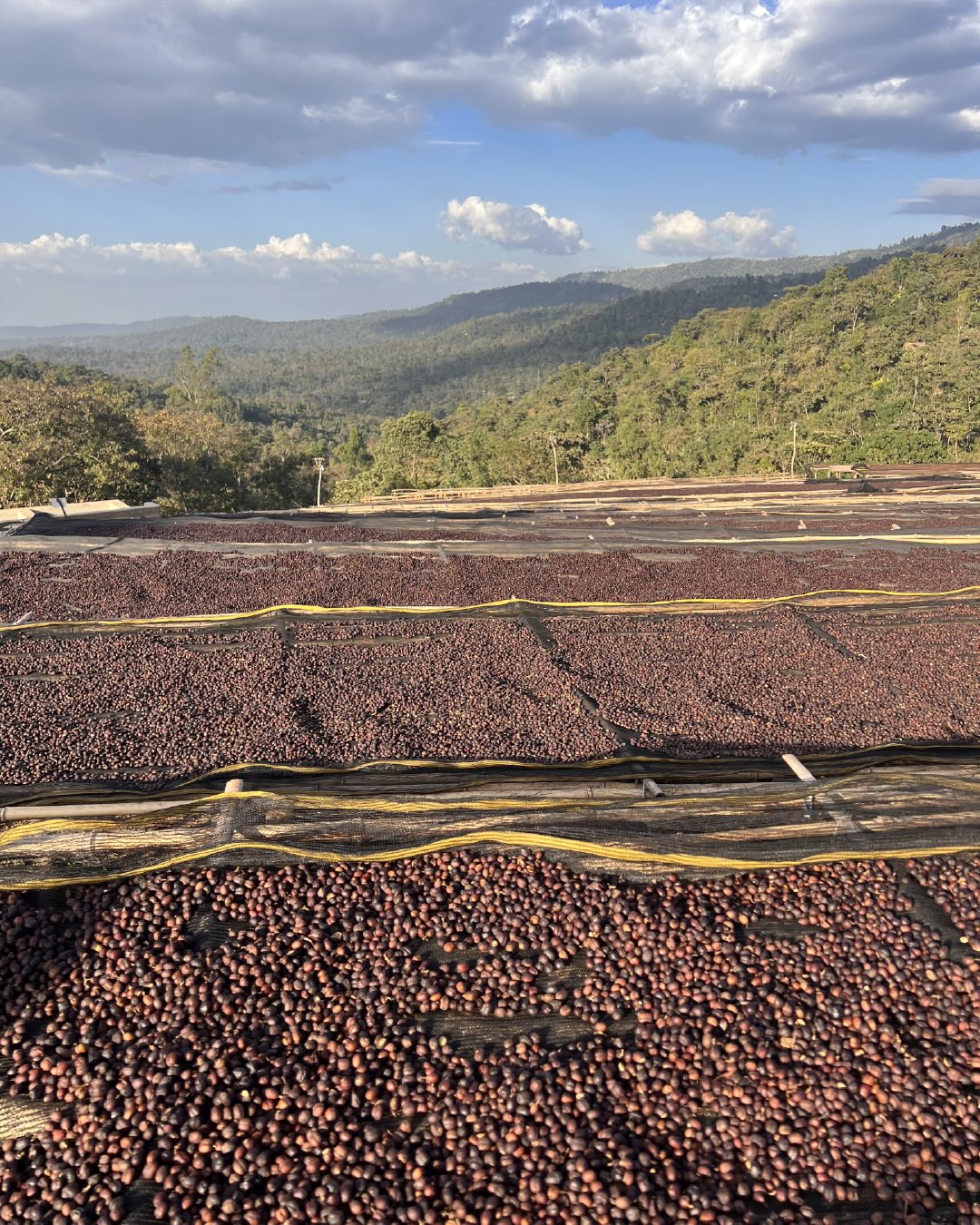
The natural process is Ethiopia's oldest and most traditional method — the very technique that gave birth to coffee culture itself. Whole cherries are spread directly onto raised drying beds after harvesting, where the fruit flesh slowly dries around the seed over 2-4 weeks under the Ethiopian sun.
During this extended drying period, the sugars and fruit compounds from the cherry skin and mucilage infuse into the bean, creating the rich, fruity, and wine-like flavor profiles that have made Ethiopian naturals legendary among specialty roasters worldwide. Careful turning every 2-3 hours prevents mold and ensures even drying.
Flavor Profile
Honey (Pulped Natural) Process
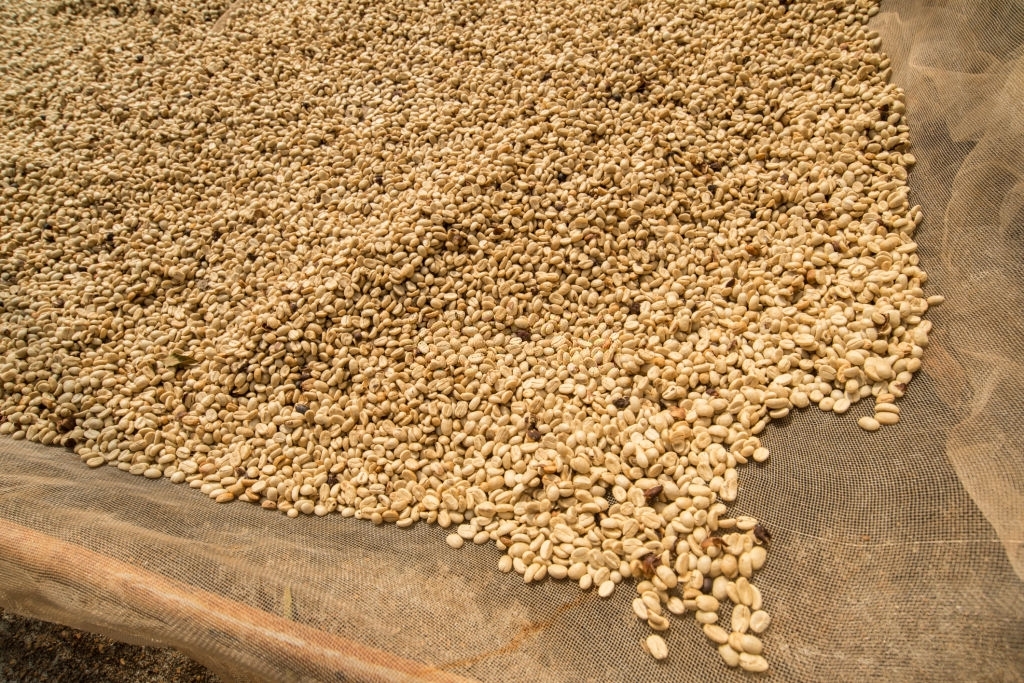
A beautiful hybrid of washed and natural techniques, the honey process removes the cherry skin through depulping but intentionally leaves varying amounts of the sticky mucilage ("honey") attached to the parchment during drying. This creates a spectrum of sweetness and body.
The degree of mucilage left determines the classification: Yellow Honey (least mucilage, dried quickly in sun), Red Honey (moderate mucilage, slower drying under shade), and Black Honey (maximum mucilage, longest drying time). Each variation delivers increasingly intense sweetness and fruit character.
Flavor Profile
Anaerobic Fermentation
The cutting edge of specialty coffee processing, anaerobic fermentation places depulped coffee in sealed, oxygen-free tanks — typically stainless steel or food-grade barrels equipped with one-way CO₂ valves. By eliminating oxygen, specific anaerobic bacteria and yeasts dominate the fermentation, producing unique esters and organic acids.
Temperature, pH, and time are meticulously monitored. Depending on the target profile, fermentation ranges from 48 to 120+ hours. The result is extraordinary complexity: tropical fruit explosions, boozy wine undertones, and an almost candy-like sweetness that has taken the competition circuit by storm. Mila's Coffee partners with innovative washing stations pioneering this method.
Flavor Profile
Processing Methods Compared
| Attribute | Washed | Natural | Honey | Anaerobic |
|---|---|---|---|---|
| Acidity | High & Bright | Low & Mellow | Medium & Balanced | Complex & Unique |
| Body | Light-Medium | Full & Heavy | Medium-Full | Variable |
| Sweetness | Subtle | Intense | Pronounced | Exotic |
| Clarity | Exceptional | Complex Layers | Good Balance | Funky Layers |
| Drying Time | 10-14 days | 14-28 days | 12-20 days | 10-14 days |
| Key Regions | Yirgacheffe, Sidama | Guji, Harrar | Guji, Limmu | Guji, Yirgacheffe |
| Best For | Pour-Over, Filter | Espresso, Cold Brew | All-Rounder | Competitions |
The Processing Journey
From the moment a ripe cherry is picked to when it's ready for export as green bean.
Selective Harvesting
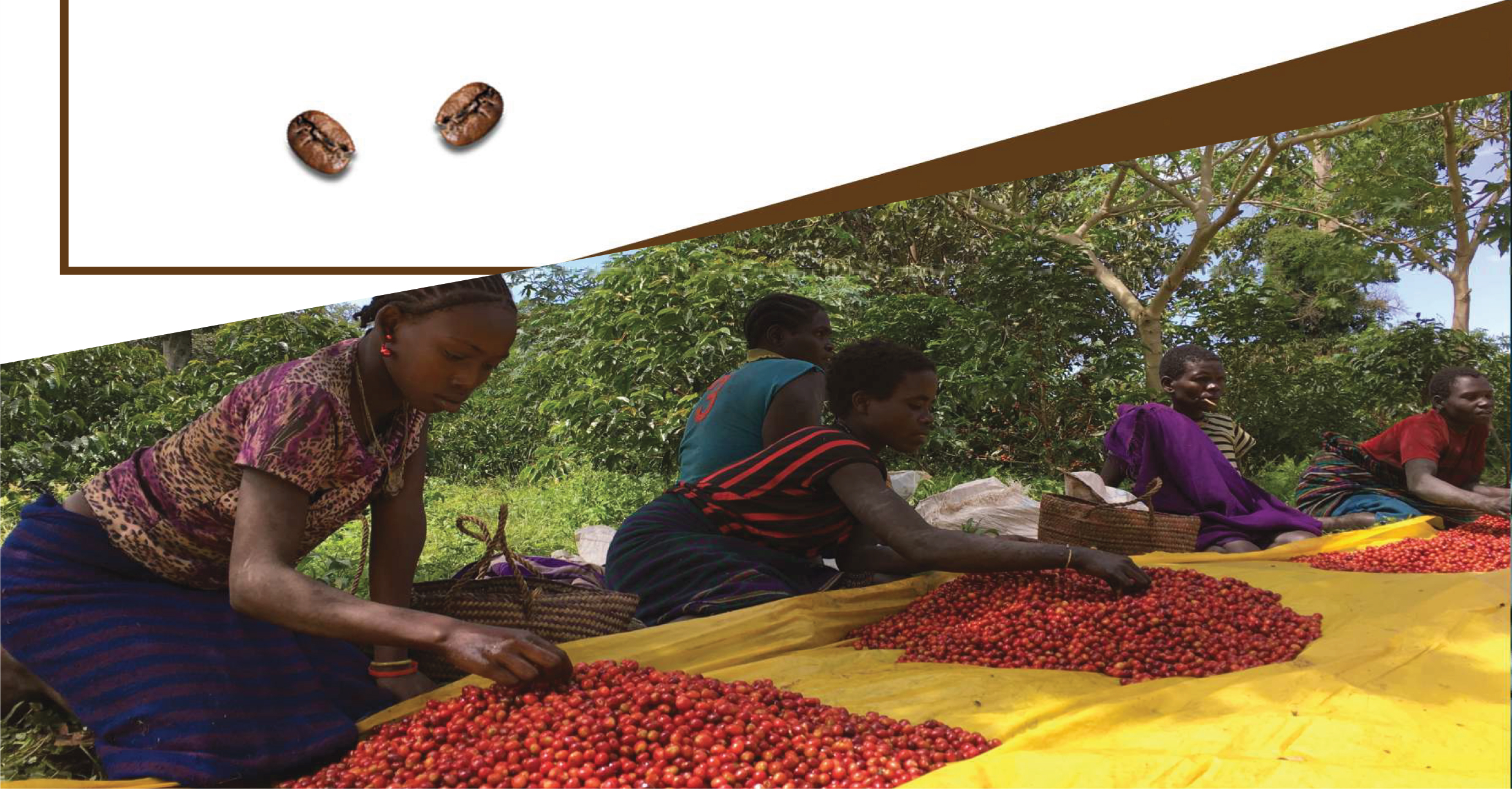
Only ripe, deep-red cherries are hand-picked from the branch. Under-ripe and over-ripe cherries are sorted out to ensure peak sweetness and acidity balance.
Processing & Fermentation
Cherries are processed using the chosen method — washed, natural, honey, or anaerobic — each with specific fermentation protocols that shape the final cup.
Drying & Resting
Beans are dried on raised African beds to a target moisture of 10.5-11.5%, then rested in parchment for 30-60 days to stabilize flavor compounds before dry-milling.
Milling & Export
Dry-milled, graded by screen size and density, then packed in GrainPro-lined jute bags. Quality verified by licensed Q-graders before FOB shipment via Djibouti port.
Taste the Difference Processing Makes
Request samples of the same origin processed with different methods and discover firsthand how processing transforms the cup. Our export desk will curate a sample set tailored to your roast profile.