About Mila's Coffee
Mila's Coffee is a premium green coffee exporter based in Addis Ababa, Ethiopia. We bridge smallholders and global specialty roasters with absolute quality integrity.
Mila's History & Evolution
Founded with the vision of making substantial contributions in the coffee industry in Ethiopia. Founder and CEO, Mr. Tewolde, had always felt inspired by the sight of agriculture, the farmer spirit, and the work's deep sense of connection with nature.
As a mind keen to identify business opportunities, he understood from a young age the immense potential of Ethiopia's land and climate for bearing a coffee quality that draws massive demands from all around the world.
"Ethiopia is a country endowed with abundant natural resources and yet a painful amount of its population (44%) lives in poverty. Utilizing one of Ethiopia's most prized resources in contributing to the betterment of our people is our ultimate goal." — Mr. Tewolde, Founder & CEO
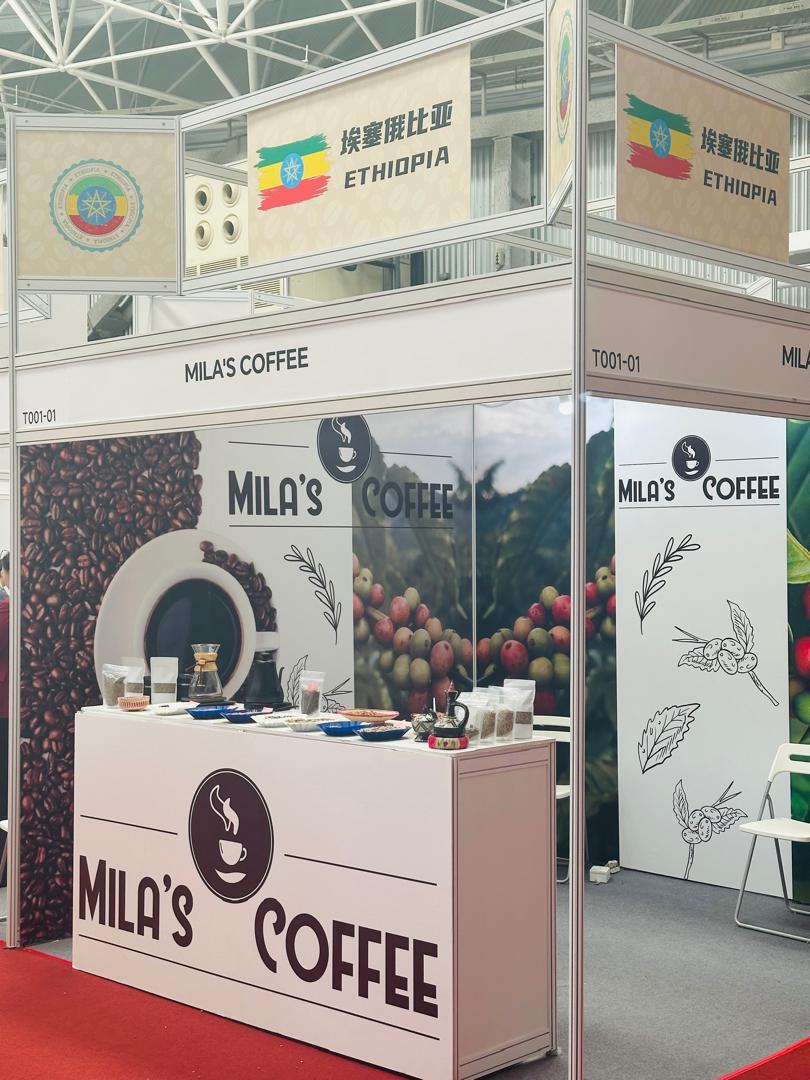
Mila's processing and sourcing legacy.
Our Mission
Providing coffee that will leave our clients truly delighted and coming back for more.
Our Vision
Becoming the international standard in coffee production and export.
Our Core Values
Unwavering integrity to our mission and a deep commitment in serving our clients to the best of our abilities.
From Cherry Sourcing to Container Loading
Traceability & SCAA Quality Control Systems
Every shipment departs with double-lined GrainPro protective storage. Our quality assurance team maintains a dedicated cupping laboratory in Addis Ababa where we cup pre-shipment samples of every contract to ensure flavor scores precisely align with our customers' purchase orders.
Cooperative Traceable
Moisture Range
Q-Grade Score Average
Primary Defects (Grade 1)
Coffee Processing Methods
Our high standards and commitment to excellence is evident in the care we put into each step of our processes.
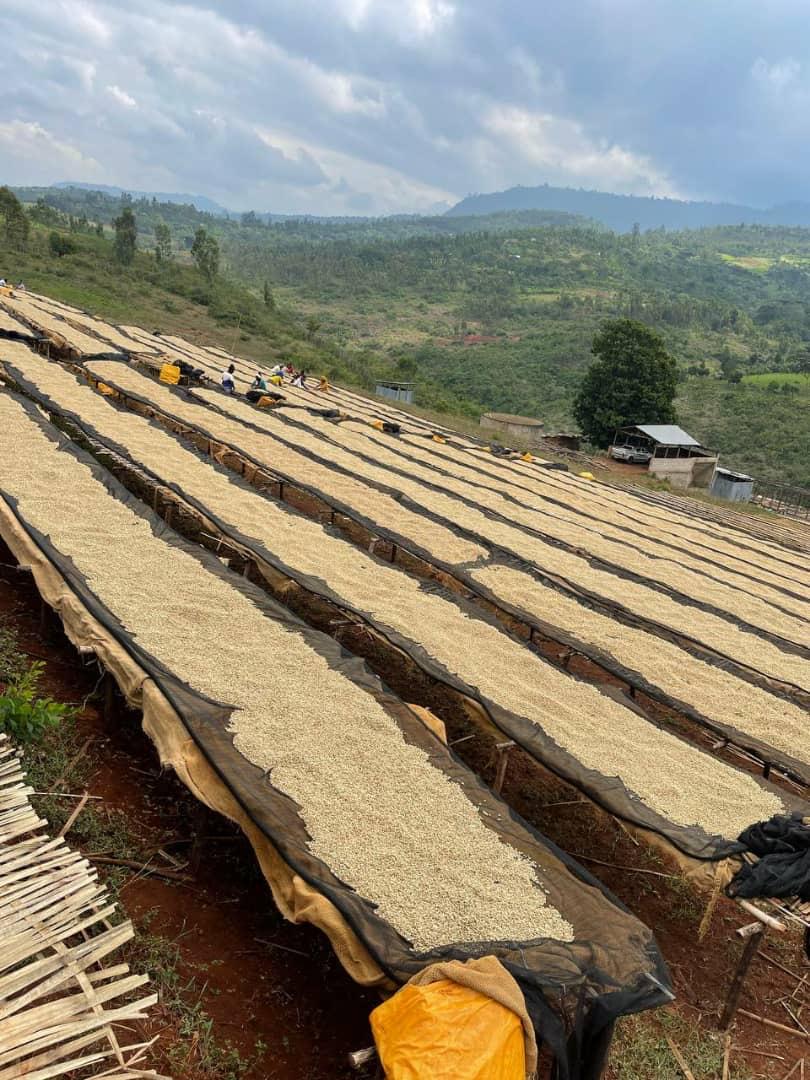
Wet Coffee Processing
The red ripened cherries are harvested and picked from trees with high production and without any disease or other affliction. The delivered cherries are inserted to wet processing machine in the same day.
- Sorting: Under ripe and over ripe cherries are manually picked out from the good cherries prior to pulping.
- Fermentation: Parchment coffee is fermented for 72 hours so that the mucilage can be removed easily.
- Washing: Isolating the heavy parchment from floating coffee beans via final washing water channels.
- Slow Drying: Spread thinly on chicken wire tables covered in Hessian cloth for 2 weeks.
- Traceability: Rigidly documented batches, selling as Q-Grade 2 export quality (clean cup, max 12 defects).
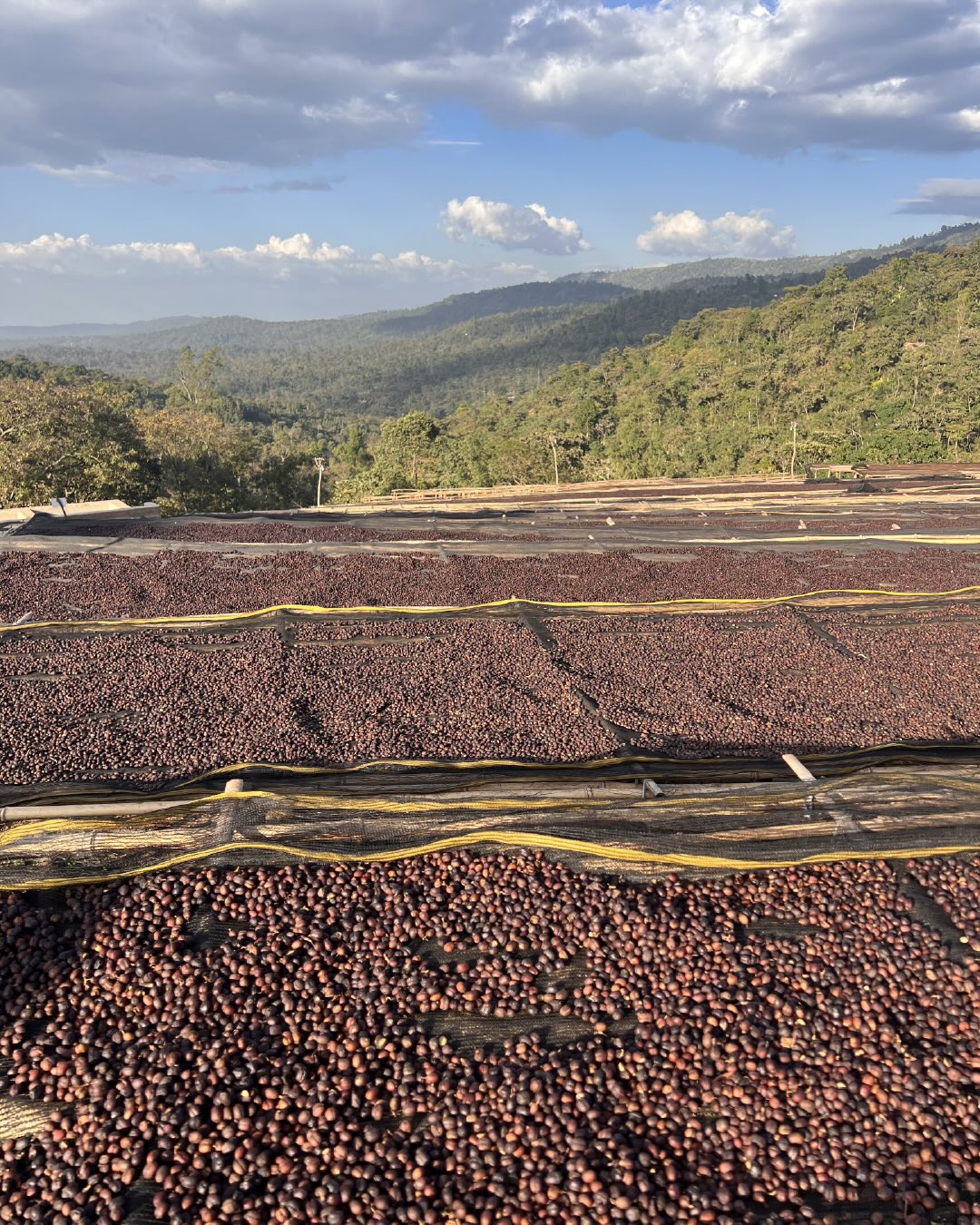
Sundried Coffee Processing
Dry process, also known as the unwashed or natural method, is the most common method of processing coffee in Ethiopia. The dried coffee is weighted and recorded before hulling.
- Drying: Picked red cherries are placed directly on drying tables for not more than 3 weeks.
- Warehouse Stocking: Stocked in separate clean, cool, and well-ventilated warehouses using new bags.
- Hulling: Husks are gently removed at regional factories.
- Manual Selection: Damaged beans are manually hand-sorted and picked prior to transit.
- ECX Auction: Transported, traced, labeled, and graded at the ECX warehouse center.
Sourced Varieties & Regions
We source from the most suitable regions for coffee growth in Ethiopia and work closely with farmers to select the finest beans.
Yirgacheffe
Yirgacheffe is a special area within the Sidamo region, known for its exceptional coffee. The coffee's characteristics change depending on the elevation: coffee from lower areas has a herbal aroma, while coffee from higher areas has a flowery aroma. It is known for its sweet flavour and smell, with a light to medium body. It is spicy, fragrant, and considered one of the best coffees globally.
Guji
Highlands of Guji produce highly complex profiles, boasting intense stone fruit sweetness, rich body, and floral jasmine undertones.
Sidama
Grown in the highlands of the Rift Valley with plenty of rain and good soil. Sidamo coffees are known for being rich, with a full body, lively acidity, and flavours of flowers and citrus. It is one of the most traditional Ethiopian coffee types, producing consistently good coffee every year.
Limu
Limu coffee is grown in southwest Ethiopia at high elevations. It is a high-quality, wet-processed (washed) coffee with relatively low acidity, but it still has a bit of sharpness. It has a well-balanced body and noticeable winey and spicy flavors. It is pleasantly sweet, vibrant, and often has floral notes.
Jjimma
Jjimma coffee is grown in the Illubabor and Kaffa regions of southwest Ethiopia. When wet processed (washed), it’s a great low-acid coffee. However, if it’s dry processed (natural), it can have an undesirable medicinal flavor if not carefully managed. This region is a major producer of commercial-grade coffee.
Nekempti
Lekempti coffee is grown in the Ghimbi and Wollega regions of Ethiopia. This coffee is known for its pleasant acidity, giving it a bright and lively taste. It has a full, rich body, similar to the well-known Ethiopian Harrar Longberry coffee. It has a unique fruity flavor that makes it stand out, adding an extra layer of complexity.
Harrar
Harrar coffee is a special type of wild Arabica grown on small farms in the Oromia region of southern Ethiopia. It grows at high elevations and is usually processed naturally. Harrar coffee is known for its strong flavor and fruity acidity. It’s rich and intense, with hints of blueberry or blackberry, resembling a dry red wine. It is often used in espresso blends because of its boldness.
Ghimbi
Ethiopian Ghimbi coffee comes from the western part of Ethiopia and is processed using the wet (washed) method. This coffee has a heavier and fuller body compared to Harrar coffee. It’s also more balanced, meaning it has a well-rounded taste that lasts longer. Ghimbi coffee is famous for its complex flavors and a rich, sharp acidity, giving it a bright and lively taste.
Generating Traceable Value Across Ethiopia
Every crop is mapped back to the washing stations and farmers who harvested it.
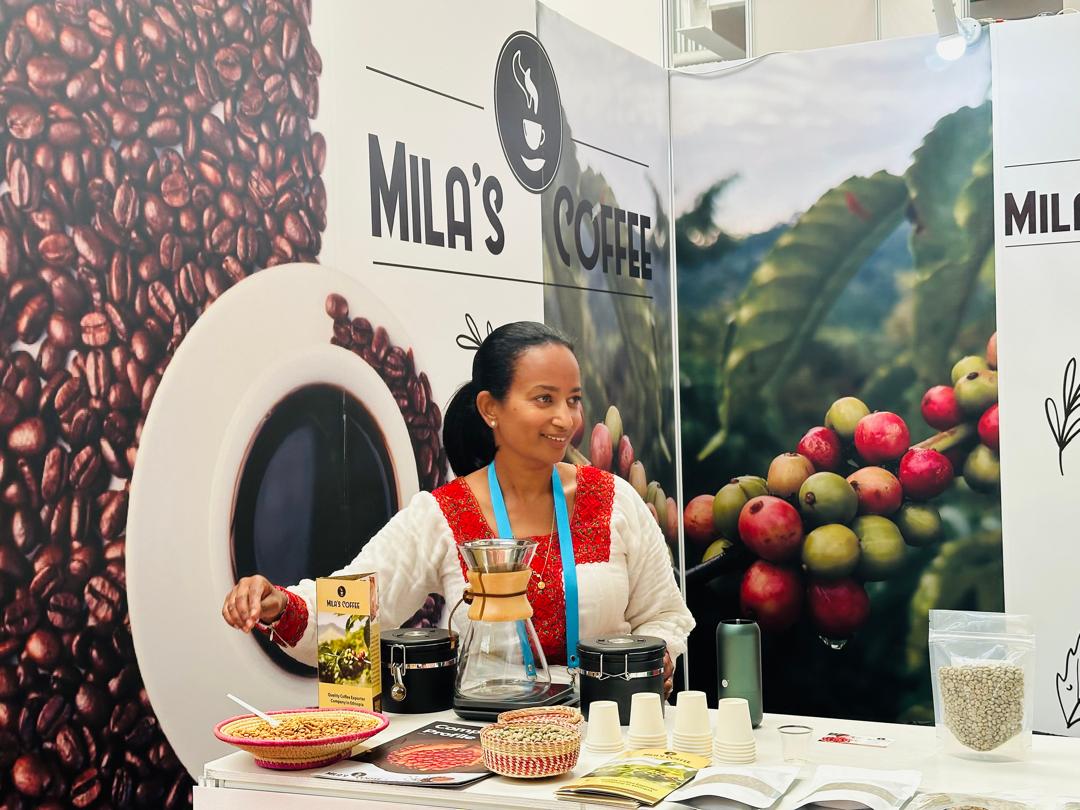
Supporting local families and agricultural cooperatives.
Social Impact & Community Support
Mila's is passionately engaged in providing education to our farmers on the best ways to cultivate coffee, injecting different technological advancements into the process to make it more efficient and higher grade. We strongly believe in enriching not only the lives of our customers, but all stakeholders in the coffee industry.
Financial Independence for Women
Mila's Coffee is deeply involved in supporting the local farmers' wives by involving them exclusively in certain areas of our work processes (such as meticulous hand-sorting and defect extraction) in order to create an opportunity for them to achieve their own financial independence and direct income channels.
Certified Quality Standards
USDA Organic
EU Organic
FDA Registered
ISO 22000
Fair Trade Certified
Rainforest Alliance